
Short-Term Rental Tax Strategy: Cost Segregation and Bonus Depreciation
Last reviewed · Smart Coastal Assets
The short answer
Under IRS passive-activity rules, a rental with an average guest stay of seven days or less is generally not treated as a 'rental activity.' If the owner also materially participates, losses from the property, including accelerated depreciation from a cost segregation study, may be able to offset non-passive income. Federal law restored 100% bonus depreciation for qualified property acquired after January 19, 2025. Eligibility depends on your facts; a CPA must determine it.
The 7-day average stay rule
Treasury Regulation §1.469-1T(e)(3)(ii)(A) excludes from the definition of 'rental activity' any activity where the average period of customer use is seven days or less. That is why residences permitting 1–7 day rentals are of interest to tax-focused buyers.
Material participation
To treat losses as non-passive, the owner generally must materially participate under one of the tests in Treasury Regulation §1.469-5T(a). Examples include participating more than 500 hours in the year, or more than 100 hours and not less than any other individual (including a property manager). Using a full-service manager can make these tests harder to meet.
Cost segregation and bonus depreciation
A cost segregation study identifies parts of a property, such as furnishings, certain fixtures and site improvements, that can be depreciated over 5, 7 or 15 years instead of the building's 27.5- or 39-year life. Shorter-life property may qualify for bonus depreciation, which allows an immediate first-year deduction.
The 2025 federal tax law (Public Law 119-21) permanently restored 100% bonus depreciation for qualified property acquired after January 19, 2025. Land is never depreciable.
Current residences permitting 1–7 day or nightly rentals
| Residence | Minimum stay | Management | Tax note provided |
|---|---|---|---|
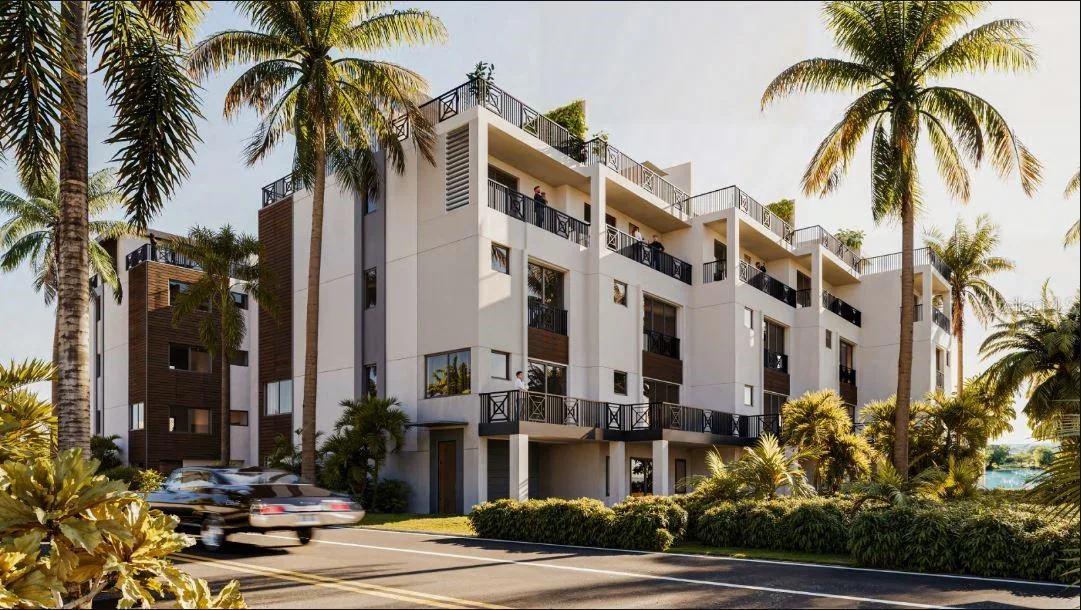
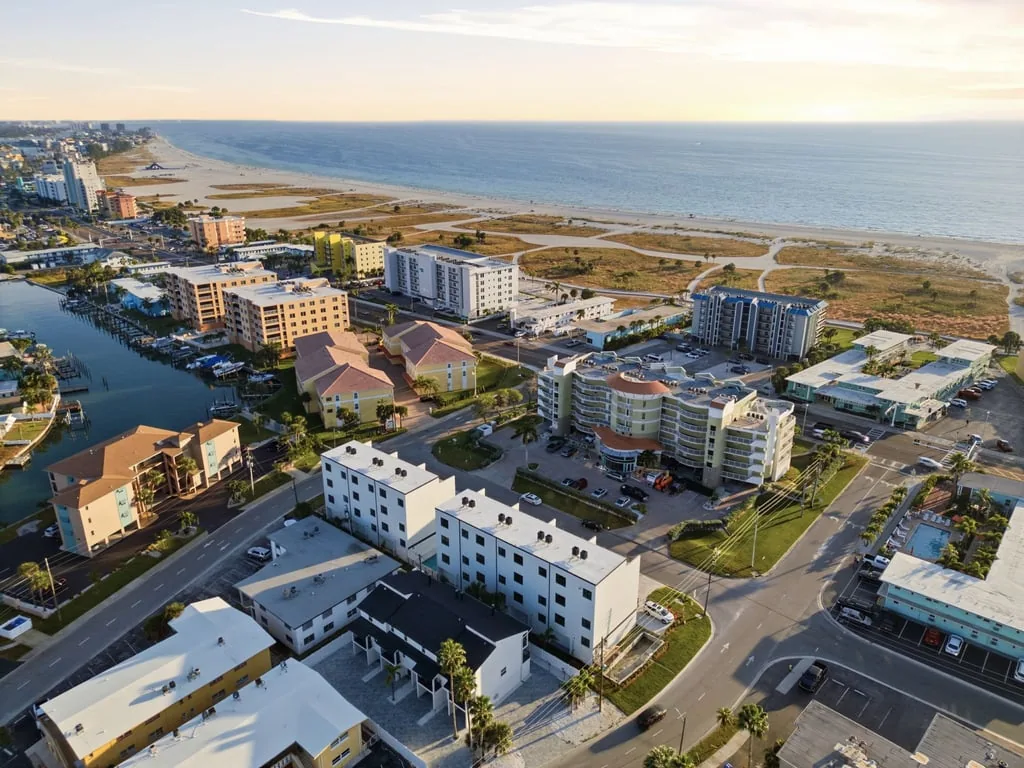
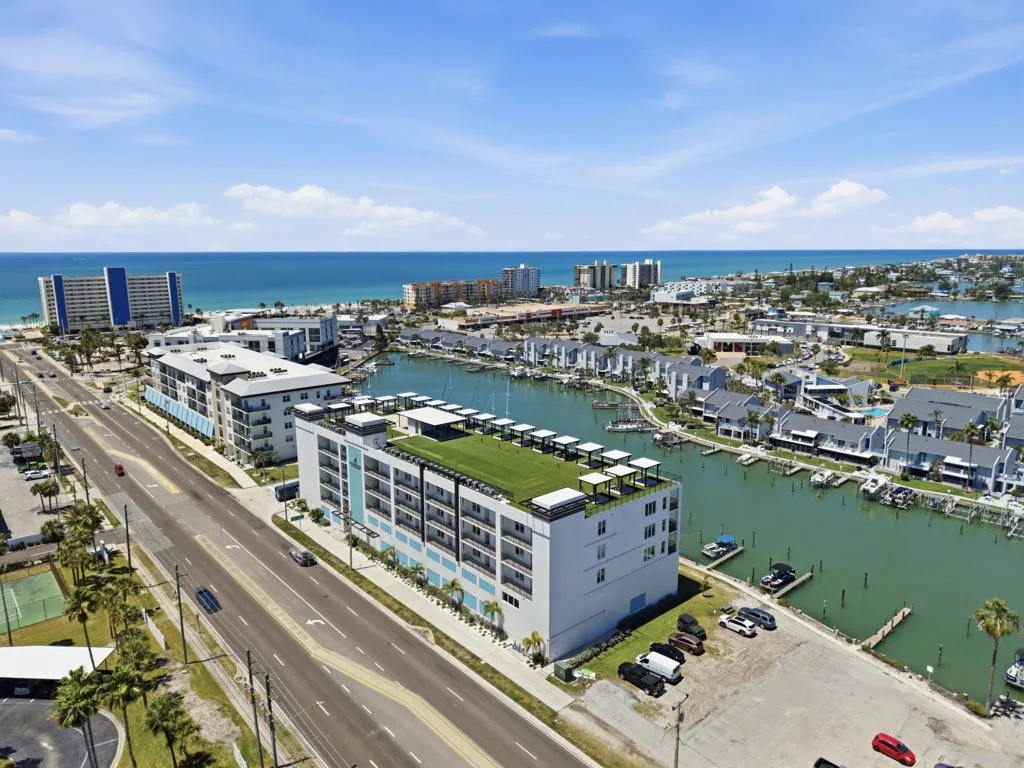
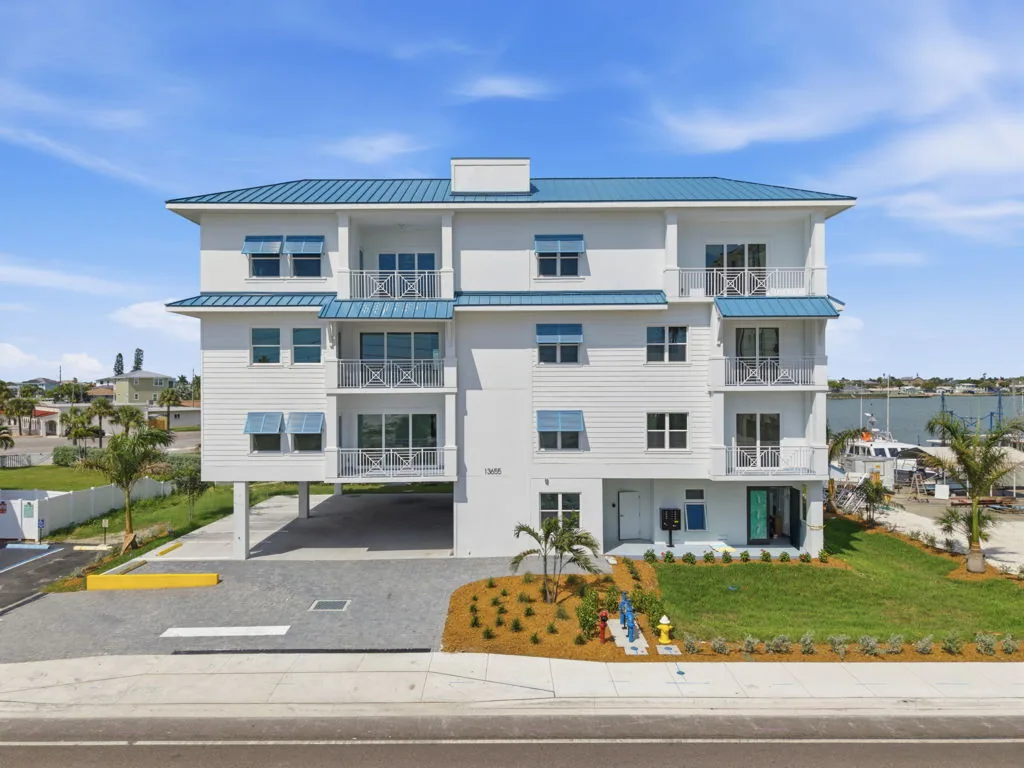
| The Beachmaker Resort | Nightly | Mandatory resort management and Marriott Autograph Collection booking channels. Not self-managed. | Potential cost segregation and bonus depreciation on qualifying components. CPA review required. |
| Sapphire Shores | 1–7 days | No required manager; owners may self-manage. | Potential cost segregation and bonus depreciation on qualifying property. CPA review required. |
| Capri Townhomes | 1–7 days | No required management company. Self-manage or choose a manager. | May qualify, with CPA guidance, for 100% bonus depreciation. Potential short-term-rental tax treatment and cost segregation; a CPA must determine eligibility. |
| Coastal Elegance at Snug Harbor | 1–7 days | Eligible for cost segregation for investment buyers; potential bonus depreciation for qualifying short-term-rental use. CPA review required. |
Frequently asked questions
What is the short-term rental tax loophole?
It refers to Treasury Regulation §1.469-1T(e)(3)(ii)(A): when the average guest stay is seven days or less, the property is generally not a 'rental activity' for passive-loss purposes. With material participation, losses may offset other income. Consult a CPA.
Is 100% bonus depreciation available in 2026?
Public Law 119-21 (enacted July 4, 2025) permanently restored 100% bonus depreciation for qualified property acquired after January 19, 2025. Whether your purchase qualifies depends on your facts; consult a CPA.
Does a resort-managed condo qualify for the short-term rental strategy?
It may be harder. Material participation tests count your hours relative to others, and mandatory resort management typically performs most of the work. A CPA should evaluate your situation.
Sources
- 26 CFR §1.469-1T (eCFR)
- 26 CFR §1.469-5T: Material participation (eCFR)
- IRS Publication 946: How to Depreciate Property
- IRS Publication 925: Passive Activity and At-Risk Rules
This guide is general educational information, not tax, legal or financial advice. Tax outcomes depend on your specific facts. Consult a qualified CPA or tax attorney before making decisions.
Have a question about a specific residence?
Request Information